Learn at Piha
Lesson at South Piha
Group, private or one-on-one
- Length1.5 hours
- GearBoard and wetsuit
- PriceNZD 80 to NZD 240
Interactive tick list
Checklist · 7 points
Check things off as you go; your progress is kept on this device.
0 / 7 ready
You are all set. Only the date is left to choose for your afternoon in the ranges and on the sand.
Save a placePiha Beach surfing has a big reputation and a powerful ocean to match. Here is who it suits, how lessons work and what they cost, how to read a surf report and the tide, and the habits that keep surfers safe. The lesson you can book online from this page is at Muriwai, not at Piha.
Editorial team, pihabeachtour.click · Updated November 8, 2026 · ~7 min read
Piha is a name surfers recognize far beyond Auckland. The surf club counts Piha's break among the most famous in New Zealand, and the national tourism body notes its pull for experienced surfers.1,6 The swell rolls in straight off the Tasman, and on a good day the lines of white water stack up all the way to Lion Rock.
The same power that draws good surfers makes the beach serious for everyone else. The national tourism body cautions that the currents here are strong and often dangerous; in summer, surf lifesavers flag a patrolled area for swimmers.7 The regional tourism agency puts it neatly: local schools teach beginners in the shallows, while seasoned surfers find challenging waves.2
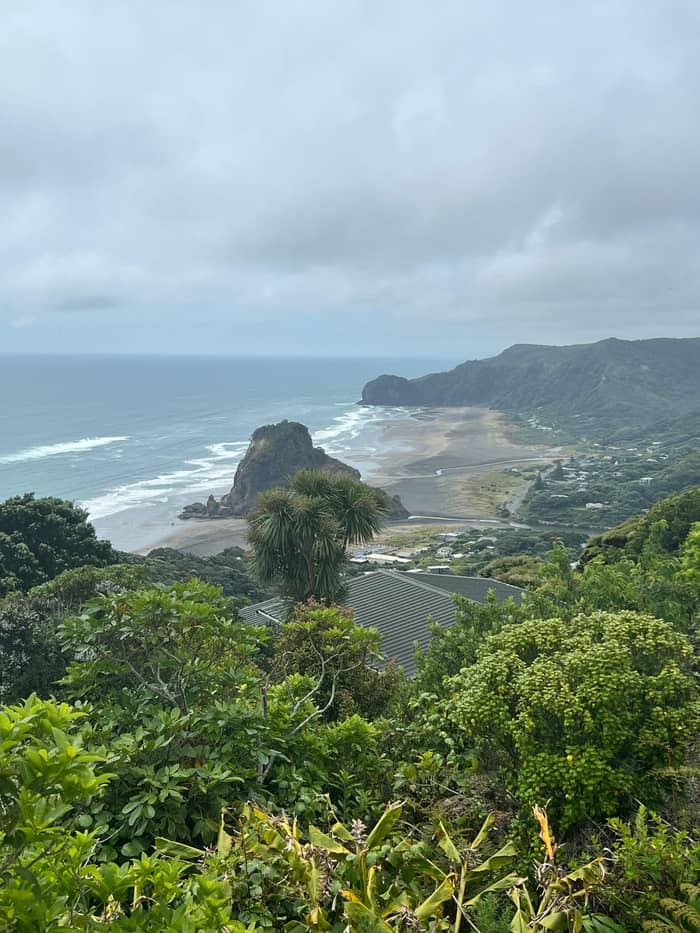
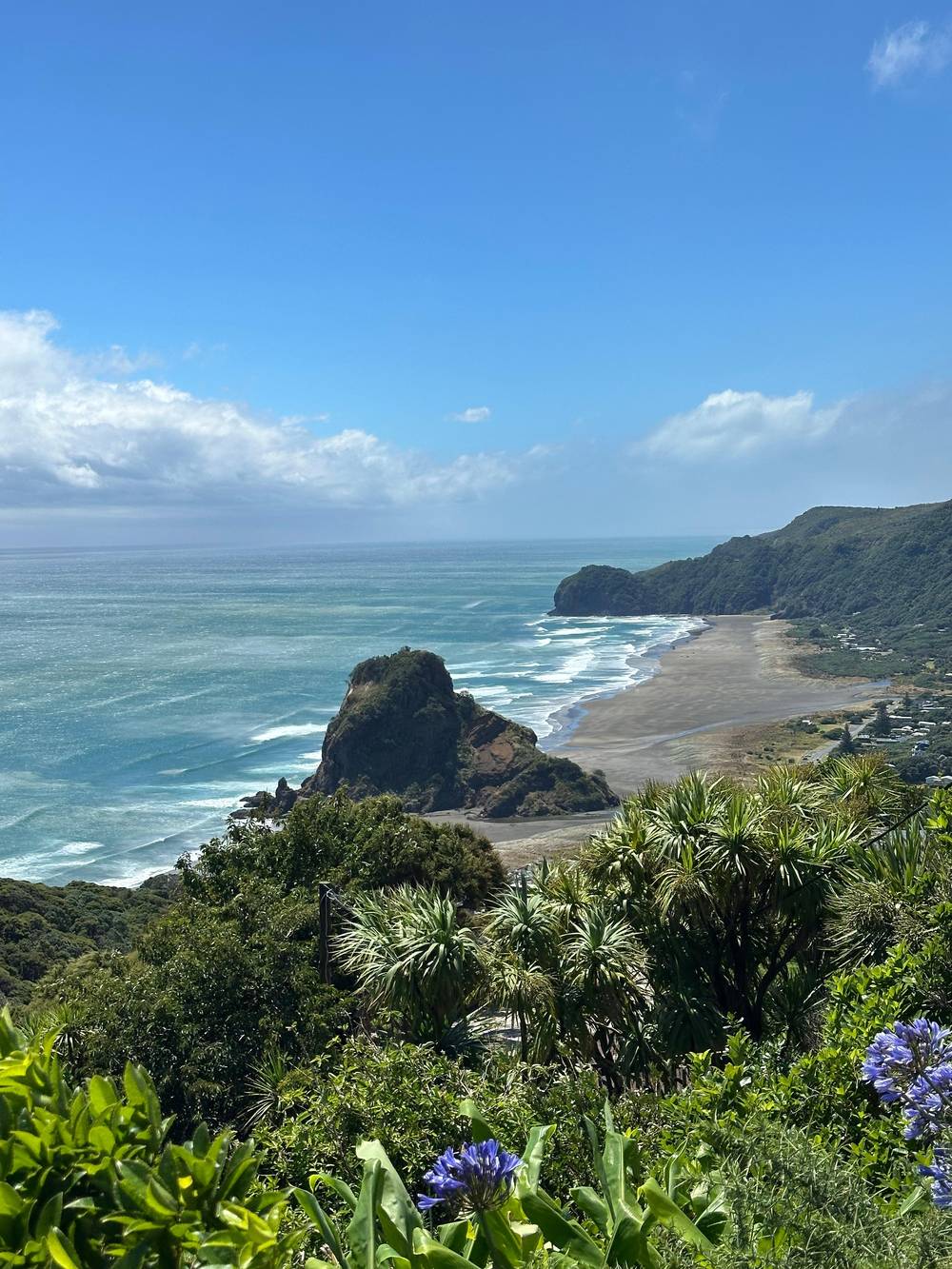
Lion Rock sits in the middle of it all and splits the beach into Piha and North Piha.8 The surf club and the lesson area are on the southern side, and the rock shapes how the water moves around it. Surfing here is about reading that water as much as riding it, and the rest of this guide is about doing both well.
Lessons compared
| Option | Where | Length | Price |
|---|---|---|---|
| Group lesson | South Piha Beach | 1.5 hours3 | Adult range NZD 80 to NZD 240 across lesson types4 |
| Private group lesson | South Piha Beach | 1.5 hours3 | Ask when booking |
| One-on-one coaching | South Piha Beach | 1.5 hours3 | Ask when booking |
| Group lesson, booked online | Muriwai Beach | 2 hours | from $41 |
Piha prices are the academy's adult range on its official tourism listing; the Muriwai price is a listing from-price.
Yes, with a school, and that condition matters. Surf Life Saving New Zealand has reported rips catching both beginner surfers and swimmers.13 It also cautions that the surf can look smaller than it is and that dangerous rips are hard to pick.14 An instructor reads those things for you and keeps you in water where you can stand.
Lifeguards add a detail that every new surfer at Piha should know: on Auckland's west coast, rips run stronger at low tide, and the shifting seabed creates sand bars and holes.5 On an evening they described, clean surf of 1-1.5m looked smaller and safer than usual, with low tide falling around sunset.15 A pleasant-looking sea is not proof of a safe one.
If you can swim well but have never surfed, book a beginner lesson, stay in the area your instructor sets and leave the outer banks to locals. If you already surf, spend your opening session watching from the sand: where the sets break, where the water runs back out, how the rip by the rock behaves. A spell of patient watching is the cheapest safety equipment you will ever buy.
Why lifeguards matter
Surf Life Saving New Zealand's national totals for the Saturday, Sunday and Monday of Auckland Anniversary weekend 2024.16
Piha surfing lessons are easy to arrange. Auckland's regional tourism agency counts several surf schools around Piha, catering to all ages and abilities.17 Among them is Piha Surf Academy, which teaches at South Piha Beach in 1.5-hour sessions, as a group, a private group or one-on-one, for beginners and improvers, with a board and wetsuit included.3 It says its staff are qualified to Surfing New Zealand standards.18
On its official tourism listing the academy gives adult prices of NZD 80 to NZD 240, depending on the type of lesson.4 Check the current price for the lesson type you want and the meeting point when you book, and ask what happens if the surf is too big or too flat on the day.
If you are flexible about the beach, a bookable alternative runs at Muriwai to the north. The listing is a group surfing lesson of 2 hours, limited to 10 participants, with board and wetsuit provided, from $41. It suits travelers who want to book online with free cancellation and do not mind which black sand beach they learn on.
Should you paddle out
Your experience decides how you meet this beach.
If I have never surfed
Book a lesson
Schools teach beginners in the shallows.2
If I surf a bit at home
Watch first, then go with a buddy
Waves can be bigger than they look.14
If It is low tide
Take extra care
Rips are stronger at low tide.5
If Patrols have finished
Stay on the sand
Risk rises after patrols close.12
If I want to book online
Try the Muriwai lesson
A 2-hour group lesson with gear.
Choose your surf day
Learn at Piha
Group, private or one-on-one
Learn nearby
Bookable online
Stay dry
With the beach tour
A Piha Beach surf report usually gives swell height, swell period, wind and tide. Height is how big the waves are offshore; period is the time between them, and longer periods mean more powerful sets arriving at the beach. Wind matters as much: offshore wind grooms the faces, while onshore wind turns the sea into choppy mush. Learn to read all of them together.
The tide line is what beginners skip. Lifeguards say west coast rips strengthen at low tide.5 LINZ times Piha's tides from Onehunga: high water comes 45 min earlier and low water 35 min earlier.20 The tides guide on this site explains how to work that out for any day.
Before you paddle out, also check whether the beach is patrolled. Surf Life Saving New Zealand points people to Safeswim to find a lifeguarded beach.10 The regional tourism agency notes that Piha is lifeguarded over summer and suggests Safeswim for the dates and any safety notices.21 A forecast tells you about the waves; the lifeguards tell you about today.
Your surf session
The day before
Swell, wind and the tide time.
Morning
Rips run stronger at low tide.5
On arrival
Find the rip by Lion Rock before you paddle.9
Before entering
Use Safeswim and the flags.10
In the water
Raise a hand if you need help.11
Before dusk
Risk rises after patrols close.12
Surfers at Piha share the water with a large volcanic rock, and the rock moves the ocean. Lifeguards from the national body say the rip on the north side of Lion Rock runs straight out to sea.9 In November 2025 a surfer caught there drifted out about 1.5 km.22 He was later found far to the south, off the end of South Piha.23
That rescue carries useful lessons. The surfer stayed with his board, and lifeguards say he was still on it and waving for help when found.24 The search began with daylight fading and visibility dropping fast.25 Paddling out late on a big evening, near the rock, without a friend watching from the beach, stacks the odds the wrong way.
Practical rules follow. Keep clear of the flagged swimming area so swimmers and boards do not collide. Know where the rip by the rock is running before you enter, and use it only if you understand it. Surf with a buddy, and tell someone on the sand when you plan to come in. If conditions look beyond you, watch instead; the view of Lion Rock in a big swell is worth the trip on its own.
Video
pihasurfschool on YouTube · The video waits until you tap play to load.
On Auckland’s west coast, rips are stronger at low tide due to the movement of the water
Piha's lifeguards ask everyone in the water to know the distress signal: one hand raised above your head means you need help.11 If you are caught in a rip without a board, Surf Life Saving New Zealand says to float first, and the surf club says to swim parallel to the shore rather than against the current.19,26 Panic and fighting the current tire you quickly.
Timing matters as well. Lifeguards described a hot December evening when more people went to Auckland beaches after the patrols had closed, which raised the risk.12 They have recorded a mass rescue of four people at Piha on such an evening.27 If you surf outside patrol hours, accept that help is further away.
Off the board, the coast has other hazards. The surf club's advice to anyone fishing off the rocks: put on a life jacket, take a companion and stay well back from the edge, where waves can surprise.28 Its plain summary of the beach is that it is dangerous and must be respected.29 Respect here means a leash on your board, a wetsuit for the cold water and a plan for getting back in.
Surfing at Piha grew up alongside lifesaving. Founded in 1934, the club says it is celebrating 90 years of lifeguarding.30,31 It counts Piha among the country's busiest patrolled beaches, its profile raised partly by a top-rating television program.32 Its surfboat crews race at the top level at home and overseas.33
Children learn the ocean early here. The club's junior program starts at age 5 and runs to 14, when members move on to qualify as lifeguards.34 Ask the lifeguards in red and yellow about the day's conditions before you paddle out; they watch this water on every patrol.
Not every visitor wants to surf, and Piha rewards watching too. This site's own tour includes no lesson: across 5 hours it pairs the beach with rainforest walking, pickup included, from $118. Time on the sand is enough to see the surfers working the sets around Lion Rock.
FAQ
Lifeguards report beginners caught in rips, so learn with an instructor.13
Piha Surf Academy lists that range on its tourism listing, depending on the lesson type.4
The academy's group, private group and one-on-one sessions last 1.5 hours with board and wetsuit.3
Lifeguards say west coast rips are stronger at low tide.5
Surf Life Saving New Zealand points people to Safeswim to find a lifeguarded beach.10
The surf club says one hand raised above your head signals you are in trouble.11
Sources
Black sand, rainforest or the surf? A real person answers here.